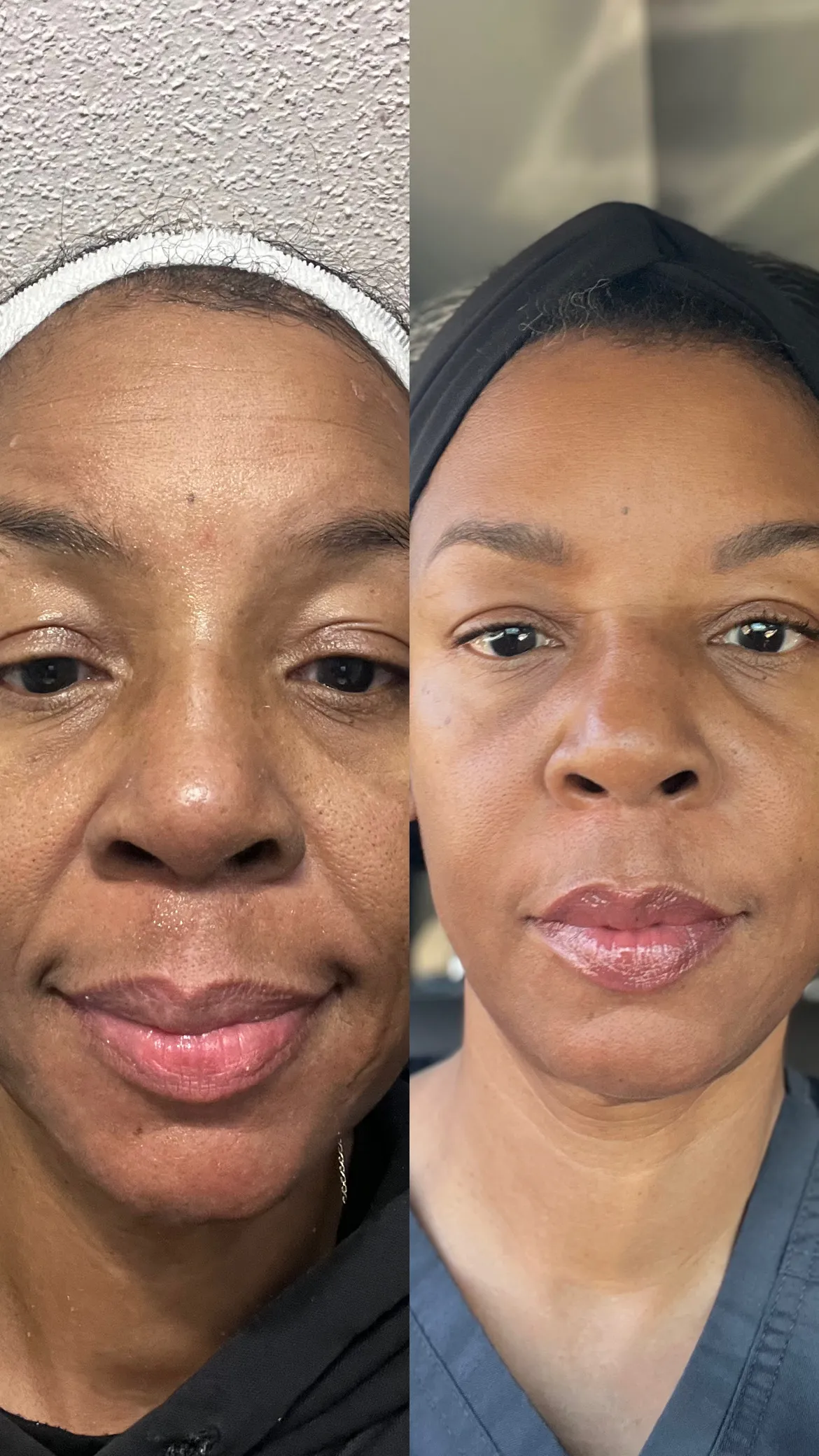

Is Taking GLP-1 Medication for Weight Loss Cheating? A Physician Explains Why Obesity Is More Than Willpower
By Dr. Ezike, DO, PharmD | Board-Certified Family Medicine Physician
If you’ve ever heard someone say that taking Ozempic, Wegovy, or Zepbound for weight loss is “taking the easy way out,” you’re not alone.
As a physician who treats patients struggling with obesity, I encounter this misconception frequently. Many people still believe weight loss is simply about eating less, exercising more, and having enough willpower.
But here’s what I want people to understand: Obesity is a chronic medical condition, not a character flaw. And treating it with medication is not cheating.
We don’t shame patients with diabetes for taking medication to control their blood sugar. We don’t criticize people with high blood pressure for taking antihypertensive medications. So why do we judge people who use medication to manage obesity?
In my clinical experience, GLP-1 medications can do much more than help patients lose weight. For some, the benefits extend far beyond the number on the scale.
Obesity Is Not Simply About Calories In and Calories Out
One of the biggest misconceptions about obesity is that it’s simply the result of eating too much and moving too little.
While calorie balance matters, obesity is far more complex. Body weight is influenced by several interconnected factors, including:
- Genetics and family history
- Hormones that regulate hunger and fullness
- Metabolism and insulin resistance
- Sleep quality and stress
- Age-related hormonal changes, including menopause
- Medications and underlying medical conditions
Our bodies have sophisticated systems that regulate appetite, energy expenditure, and fat storage. When someone loses weight, the body may respond by increasing hunger and slowing energy expenditure, making long-term weight maintenance difficult.
This explains why many people successfully lose weight through dieting only to regain it months or years later.
It’s not always a lack of discipline. Biology matters.
As a physician, I believe recognizing obesity as a chronic disease is essential to removing the shame surrounding weight management.
How GLP-1 Medications Work
GLP-1 stands for glucagon-like peptide-1, a hormone naturally produced in the body that helps regulate appetite, blood sugar, and digestion.
Medications such as semaglutide mimic this hormone, while tirzepatide acts on both GLP-1 and GIP receptors.
These medications help patients feel satisfied with smaller portions, reduce hunger, and improve blood sugar regulation.
Many patients also describe experiencing less “food noise,” the constant thoughts about food that can make maintaining healthy eating habits challenging.
GLP-1 Benefits Beyond Weight Loss
One of the most exciting aspects of GLP-1-based treatment is that its benefits can extend beyond weight reduction.
Depending on the medication and patient’s medical condition, research has demonstrated benefits including:
- Improved blood sugar control
- Reduced risk of certain cardiovascular events
- Improvements in some obesity-related health conditions
- Improved physical functioning and quality of life
- Reduced severity of obstructive sleep apnea with tirzepatide in eligible patients
Not every medication provides the same benefits, and individual results vary. This is why treatment should always be individualized and medically supervised.
A Patient Story: When Weight Loss Changes More Than Your Appearance
One of my most memorable patient experiences involves a woman going through menopause.
Like many women at this stage of life, she experienced significant weight gain. She had tried numerous weight loss programs and products without meaningful success.
She was frustrated because, despite her efforts, nothing seemed to work.
After evaluating her medical history and treatment options, we started her on GLP-1-based therapy.
Within six months, she reached her goal weight.
But what made her story particularly meaningful wasn’t simply the weight she lost.
It was what she told me afterward.
She shared that her favorite benefit of treatment wasn’t even the weight loss. For the first time in a long time, she was sleeping through the night “like a baby.”
Even more remarkably, she reported that her joint pain and body aches had resolved.
Think about that.
She initially sought treatment to lose weight, but what mattered most to her was sleeping comfortably and waking up without the discomfort that had affected her daily life.
Her experience reminds me that successful obesity treatment isn’t just about looking different. It’s about feeling better and improving quality of life.
Of course, these were her individual experiences. Improvements in sleep and joint discomfort may be related to weight reduction or other health changes and should not be considered guaranteed effects of GLP-1 medications.
Nevertheless, stories like hers demonstrate why I believe we should look beyond the scale when measuring success.
Why Weight Loss During Menopause Can Be Especially Difficult
Menopause presents unique challenges for women trying to manage their weight.
Declining estrogen levels are associated with changes in body fat distribution, often resulting in increased abdominal fat.
At the same time, age-related muscle loss, sleep disturbances, and metabolic changes can make weight management more difficult.
Many women tell me that strategies that worked for them in their 20s and 30s no longer produce the same results.
For appropriately selected patients, GLP-1-based medications can provide additional support by helping regulate appetite and promote meaningful weight reduction.
However, these medications do not reverse menopause or directly treat estrogen deficiency.
My message to women experiencing menopause-related weight gain is simple: Struggling with your weight during menopause does not mean you’ve failed. Your body is changing, and your treatment approach may need to change too.
GLP-1 Medications Are Not a Substitute for Good Nutrition
Although I strongly support evidence-based obesity treatment, I emphasize to my patients that GLP-1 medications are tools, not replacements for healthy habits.
One of the biggest challenges I encounter is helping patients eat adequately, especially when it comes to protein intake.
Because these medications suppress appetite, some patients unintentionally consume too little food or fail to meet their nutritional needs.
Why Protein Intake Matters
During weight loss, patients can lose both body fat and lean muscle mass.
Preserving muscle is particularly important because it supports strength, mobility, metabolism, and healthy aging.
This becomes even more relevant for women going through menopause, when muscle loss may already be occurring.
In my practice, I provide dietary guidance to help patients meet their nutritional needs while taking GLP-1 medications.
I encourage patients to:
- Prioritize protein-rich foods throughout the day
- Eat balanced, nutrient-dense meals
- Include vegetables, fruits, and fiber-rich foods
- Maintain adequate hydration
- Avoid extreme calorie restriction
- Incorporate resistance training to preserve muscle
Protein requirements should be individualized based on age, body weight, activity level, kidney function, and overall health.
My goal isn’t simply to help patients lose weight quickly. It’s to help them lose weight while preserving their health, strength, and quality of life.
Is Taking GLP-1 Medication Really the Easy Way Out?
Let’s return to the question that inspired this article.
Is taking GLP-1 medication for weight loss cheating?
My answer is simple: Absolutely not.
Obesity is a chronic disease, just like diabetes or hypertension. Using medication to treat a medical condition should never be considered a personal failure.
GLP-1 medications target biological pathways involved in hunger, fullness, and metabolism.
They don’t eliminate the importance of healthy eating or physical activity, but they can make sustainable lifestyle changes more achievable for some patients.
And treatment isn’t necessarily easy.
Patients may experience nausea, constipation, other gastrointestinal side effects, and challenges maintaining adequate nutrition. They must also navigate medication costs, follow-up visits, and long-term treatment decisions.
These medications are not appropriate for everyone and require careful medical evaluation.
Taking medication under appropriate medical supervision is not evidence of laziness.
It’s a decision to seek treatment for a medical condition.
We need to stop attaching moral judgments to how people manage their weight.
Obesity Is a Chronic Disease That Requires Long-Term Management
Perhaps the most important message I want patients to understand is that obesity doesn’t simply disappear when you reach your goal weight.
Like diabetes and hypertension, obesity often requires ongoing management.
The biological factors that contributed to weight gain may still be present after weight loss.
This is why weight regain is common when treatment is discontinued.
Research from the STEP 1 trial extension found that participants regained approximately two-thirds of their previous weight loss, on average, during the year after stopping semaglutide.
This doesn’t mean everyone needs medication indefinitely. However, it highlights the importance of having a long-term weight management plan.
For some patients, continued medication may be appropriate. Others may benefit from different maintenance strategies.
Long-term management should include appropriate nutrition, physical activity, medical follow-up, and treatment adjustments when necessary.
Reaching your goal weight is an achievement, but maintaining your health is the bigger goal.
Who Is a Candidate for GLP-1 Weight Loss Treatment?
Prescription weight management medications are generally considered for adults with:
- A body mass index (BMI) of 30 or higher
- A BMI of 27 or higher with at least one weight-related medical condition
Eligibility depends on the specific medication, medical history, and other clinical factors.
GLP-1-based medications are not appropriate for everyone. Certain conditions, including a personal or family history of medullary thyroid carcinoma or multiple endocrine neoplasia syndrome type 2, are contraindications for medications carrying those warnings.
A comprehensive medical evaluation is essential before starting treatment.
My Message to Anyone Struggling With Their Weight
If you’ve spent years trying different diets, exercise programs, and weight loss products without lasting success, I want you to understand something.
You are not necessarily doing anything wrong.
Obesity is a complex, chronic medical condition. For many people, managing it requires more than lifestyle changes alone.
There is no shame in seeking medical treatment.
There is no prize for losing weight the hardest possible way.
And you don’t need to prove your willpower by refusing a treatment that could improve your health.
As a physician, I believe we should focus less on judging how people lose weight and more on helping them achieve lasting improvements in their health.
My menopausal patient’s experience is a reminder of why this matters.
She came seeking help with weight loss. Six months later, she had reached her goal weight, but what she valued most was sleeping peacefully and living without the aches she previously experienced.
Weight loss isn’t just about becoming smaller. It’s about becoming healthier and improving your quality of life.
And if medication is part of that journey, there is absolutely nothing wrong with that.
Explore Medically Supervised Weight Loss at Jeunesse Aesthetics & Wellness
At Jeunesse Aesthetics & Wellness, I believe in an individualized, evidence-based approach to weight management.
My focus is on helping patients understand their health, improve their nutrition, achieve meaningful weight loss when appropriate, and develop strategies for long-term success.
If you’re struggling with weight gain, experiencing menopause-related weight changes, or considering GLP-1 medications, a personalized medical evaluation can help determine your options.
Visit www.jeunesse-aesthetics.com to learn more.
About the Author
Dr. Ezike, DO, PharmD, is a board-certified Family Medicine physician and founder of Jeunesse Aesthetics & Wellness in Dunwoody, Georgia. With a background in both medicine and pharmacy, she brings a comprehensive perspective to obesity management, metabolic health, and patient wellness.
She advocates for compassionate, evidence-based obesity care that recognizes the complex biology of weight regulation and prioritizes sustainable health improvements over quick fixes.
Medical Disclaimer: This article is for educational purposes only and does not constitute individualized medical advice. GLP-1 medications have potential risks, side effects, and contraindications. Consult a qualified healthcare professional before starting or changing weight management treatment.